
If you're feeling antsy for the next planting season, here's an idea that might help: plan a plant or seed share with friends!
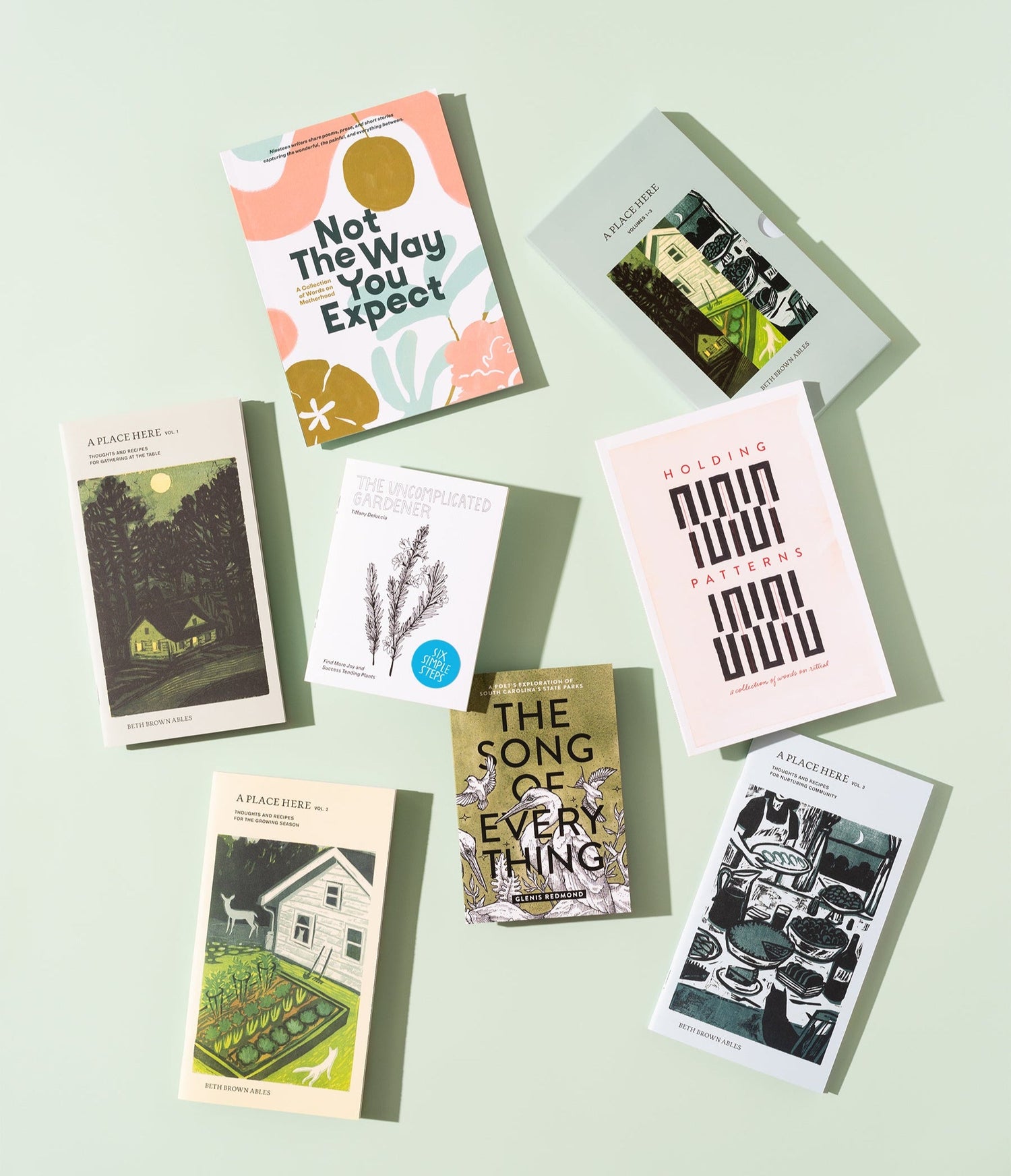
Tiffany Deluccia, author of The Uncomplicated Gardener Zine has hosted a few of these events, and she's sharing some of her best tips with us for hosting a neighborly plant sharing event — tips for what to do AND what not to do!

Here's what Tiffany has to say: As I shared in Step 6 of The Uncomplicated Gardener, gardeners are a generous type. A desire to share what you grow develops as you find success. Just wait and see.
I have irises planted in three different locations at my house, and all three clusters were given to me by different gardening friends. Every year, I share marigold and tomato seeds I saved with friends, who return the favor. The pothos plants in my house are all originally from cuttings I got at one of our local plant swaps—and those events are the inspiration for this post.

Here in Greenville, South Carolina I have organized sharing events for three years, spring and fall. I have learned a few things in the process.
1. Ideal Timing
Houseplant cuttings can be shared any time, but if you want to encourage the most engagement, pick a time in the early spring (April has been good for us here in South Carolina) or early fall (October works here). Many gardeners will have extra seedlings, perennials and grasses they have divided, and extra seed packets to contribute.
2. Partnership
Having a good partner can make all the difference. The biggest turnout we had was when the local library picked up on our event and shared it in their newsletter.
3. Location
A visible location, with both foot traffic and drive-by traffic, has worked best for us.
4. Set Up
Have a few tables, extra containers (we usually save all the plastic ones from purchased plants and bring a box of miscellaneous sizes), some potting soil, plastic bags, paper towels, and a watering can full of water. A few glass jars to fill with water and set on the table are great for when people bring a handful of cuttings. Have pens and some labels (even tape) on hand as well, so people can label what they brought if it’s not obvious.
5. Promotion
Plan early enough so you can put it on community calendars and share with the library.
6. Organizing
Don’t overthink it. The first time we did it we had a ticketing system that quickly went to pieces. People are generally reluctant to take too many things, even if they brought a lot.
7. Wrap-Up
Have a plan for what you’ll do if there are leftover plants. Our first go-round, we had more plants at the end of the event than at the beginning, since many people brought plants to share and didn’t take as many as they brought. Is there a school or nonprofit you could donate them to? Knowing up front where to drop them off is helpful.

What Doesn’t Work?
· A promotion window of fewer than 3 weeks has not been long enough to generate a good response.
· Also, a hard to identify or just generally hidden location has not worked well, even if it was the location of great partner. The sweet spot has been the mix of a walkable location with drive-by traffic. A lot of people saw us from the road and stopped in, since they had a car for carrying plants home.
· A final note: We’ve found people are hesitant to take a plant if they didn’t bring one. That’s why we don’t call our events a plant “swap” any more: We just brand them “Plant Share” events, and all our signage just says “Free Plants!” It’s made a huge difference in participation.
Learn more about Tiffany's simple approach to gardening in her zine The Uncomplicated Gardener.
